606 East 8th Street Port Angeles, WA 98362

Deep Periodontal Cleaning
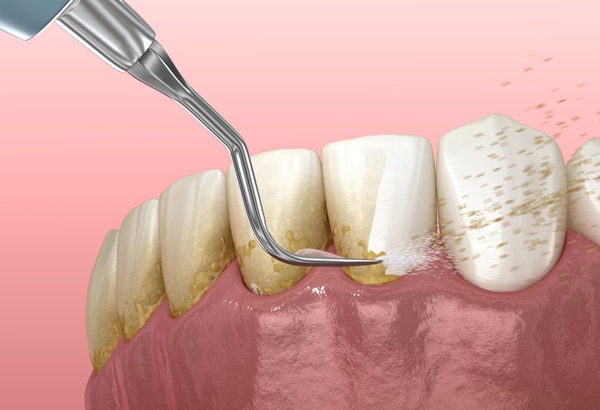
Typically, the first step in treating periodontal disease involves a comprehensive cleaning that may involve scaling or root planing. The main goal of these non-surgical procedures is to eliminate the causes of gum inflammation and disease, such as dental plaque and tartar. Scaling and root planing can be used as a standalone treatment or as a preventive measure. They are commonly performed for cases of gingivitis and moderate-to-severe periodontal disease.
What is involved in scaling and root planing?
After conducting a comprehensive oral examination, including x-rays and visual inspection, your dentist and hygienist will suggest scaling and root planing as a potential treatment. The decision will be based on factors such as gum condition, tartar accumulation, pocket depth, and the advancement of periodontitis. In certain instances, local anesthesia might be administered during the procedure.
Scaling
During the scaling process, calculus and plaque adhered to the tooth surfaces are eliminated, with particular focus on the region beneath the gum line and along the root. An ultrasonic scaling tool, specifically designed for this purpose, is employed. This tool often incorporates an irrigation method to administer an antimicrobial agent below the gums, aiding in the reduction of oral bacteria.
Root Planing
Root planing is a procedure that aims to eliminate harmful microorganisms, toxins, and tartar that are embedded in the cementum and surface dentin. By smoothing the root of the tooth, healing is promoted and the future colonization of bacteria is prevented.
To control the growth of bacteria that cause periodontitis, antibiotics or anti-microbial irrigation may be recommended. your hygienist may also place antibiotic fibers in the periodontal pockets after scaling and planing to control infection and promote normal healing.
In cases where deep pockets exist between teeth and gums, it becomes challenging for your hygienist to thoroughly remove plaque and tartar. Patients are unable to keep these pockets clean and plaque-free. As a result, surgery may be necessary to restore periodontal health.
Advantages of Scaling & Root Planing Treatment
If treatment is successful, scaling and planing can provide several periodontal benefits. Firstly, it can help prevent disease by eliminating bacteria that can travel through the bloodstream and cause heart and respiratory diseases. Research has confirmed this connection between periodontal infections and other health issues.
Additionally, treatment can protect teeth from being lost. When gum pockets become deeper than 3mm, the risk of periodontal disease increases. As these pockets deepen, more bacteria can accumulate, leading to chronic inflammation that damages gum and bone tissue, ultimately resulting in tooth loss.
Lastly, scaling and root planing can improve the appearance of the mouth and reduce bad breath caused by food particles and oral bacteria. The procedures also remove superficial stains on the teeth, providing an added aesthetic benefit.
New patients welcome.
Emergency appointments available for existing patients only.