606 East 8th Street Port Angeles, WA 98362


Cracked Teeth: Understanding and Treating This Dental Issue
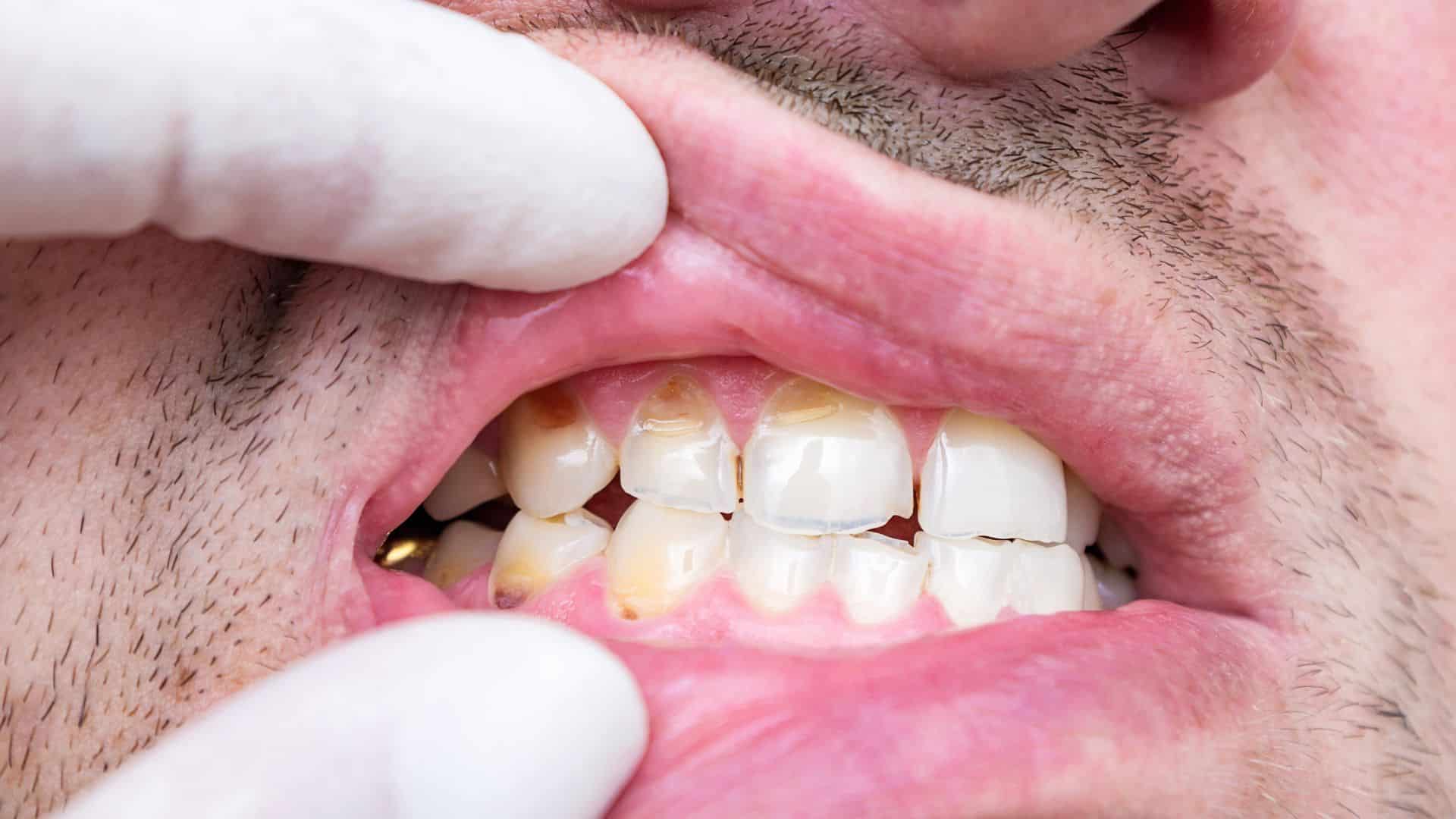


A cracked tooth is a common dental problem that can cause significant discomfort and even lead to tooth loss if left untreated. It can occur due to various reasons, including biting down on hard objects, tooth grinding, or dental trauma. While minor cracks might not always be noticeable, they can develop into more severe issues over time. This blog post will provide you with essential information about cracked teeth, including their causes, symptoms, and treatment options.
Understanding Cracked Teeth
What is a Cracked Tooth?
A cracked tooth refers to a fracture that extends through the tooth’s enamel and into the dentin, the underlying layer. Depending on the severity and location of the crack, it can be classified into different types:
- Fractured cusp: A chip or crack on the tooth’s chewing surface.
- Cracked tooth: A vertical crack that extends from the chewing surface towards the tooth’s root.
- Split tooth: A tooth that is divided into two parts.
Symptoms of a Cracked Tooth
Recognizing the symptoms of a cracked tooth is crucial for timely treatment. Common signs include:
- Sharp pain when biting down
- Sensitivity to hot or cold temperatures
- Lingering pain after removing the irritant
- Swelling in the gums
- Visible crack in the tooth
- Treatment Options
The treatment for a cracked tooth depends on the severity of the crack and its location. Here are some common treatment options:
- Dental Bonding: For minor cracks, dental bonding can be used to restore the tooth’s appearance and protect it from further damage. This involves applying a tooth-colored resin to the cracked area and curing it with a special light.
- Dental Crown: If the crack is more extensive, a dental crown might be necessary. A crown is a cap that covers the entire tooth, providing strength and protection.
- Root Canal Treatment: In cases where the crack reaches the tooth’s pulp (the soft tissue inside the tooth), a root canal treatment is required. This procedure involves removing the infected pulp and sealing the tooth.
- Tooth Extraction: Unfortunately, in some severe cases, the tooth may be beyond repair and require extraction.
Prevention of Cracked Teeth
While it’s not always possible to prevent cracked teeth, certain measures can help reduce the risk:
- Wear a mouthguard: If you play sports or grind your teeth, wearing a mouthguard can protect your teeth from damage.
- Avoid biting hard objects: Chewing on ice, hard candy, or pen caps can put excessive stress on your teeth.
- Regular dental checkups: Regular dental examinations can help detect and treat cracks early on.
Cracked teeth can be a painful and inconvenient dental problem. However, with prompt and appropriate treatment, it is often possible to save the affected tooth. If you suspect you have a cracked tooth, it’s essential to consult with a dentist as soon as possible. Early diagnosis and treatment can prevent further complications and help restore your oral health.