606 East 8th Street Port Angeles, WA 98362


How Often Should You Get a Dental Scaling?
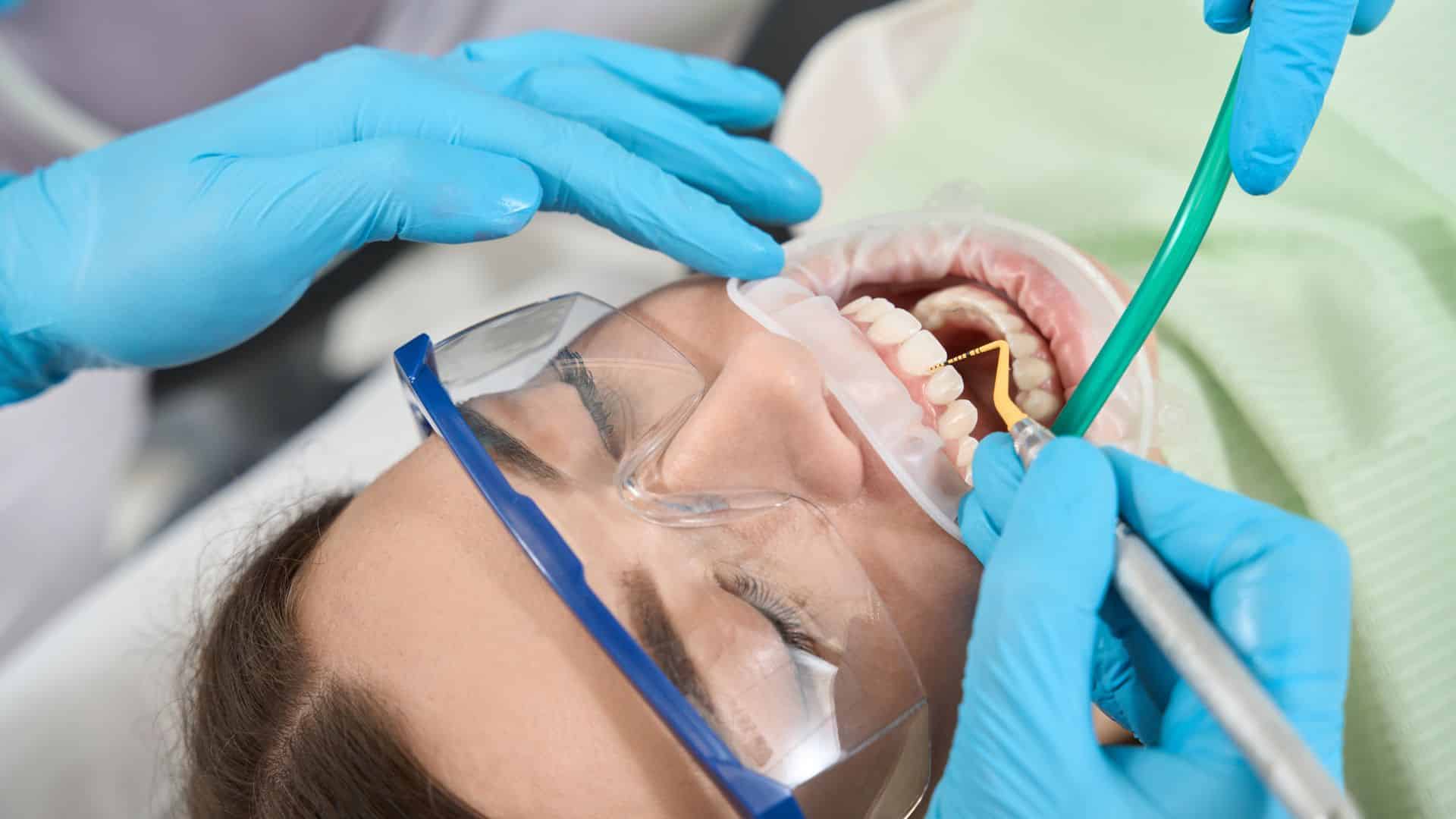


Brushing and flossing are essential for maintaining oral hygiene, but they can only do so much. Over time, tartar and plaque build-up on your teeth, leading to gum disease and other dental problems. This is where dental scaling comes in. But how often should you get a dental scaling? Let’s dive in.
The Importance of Dental Scaling
Dental scaling is a professional cleaning that removes tartar and plaque from your teeth and below the gum line. It’s a crucial part of preventing gum disease, which can lead to tooth loss if left untreated.
What is Tartar?
Tartar, also known as calculus, is hardened plaque that forms above and below the gum line. It’s difficult to remove with regular brushing and flossing.
What is Deep Periodontal Cleaning?
Deep periodontal cleaning, also known as scaling and root planing, is a more in-depth procedure that removes tartar and toxins from the roots of your teeth. It’s often recommended for individuals with gum disease.
How Often Should You Get a Dental Scaling?
The frequency of dental scaling depends on several factors, including:
- Overall oral health: Individuals with good oral hygiene may only need scaling every six months.
- Gum disease: People with gum disease may require scaling more frequently, such as every three or four months.
- Risk factors: Factors like smoking, diabetes, and certain medications can increase the risk of gum disease, necessitating more frequent scaling.
Your dentist will recommend a scaling schedule based on your specific needs.
Signs You Need a Dental Scaling
While regular checkups are essential, some signs may indicate you need a scaling sooner rather than later:
- Bleeding gums
- Bad breath
- Red, swollen, or tender gums
- Loose teeth
- Receding gums
- Changes in the way your teeth fit together
If you experience any of these symptoms, schedule an appointment with your dentist.
Dental scaling is a vital part of maintaining optimal oral health. While the recommended frequency varies from person to person, regular checkups and professional cleanings are essential for preventing gum disease and other dental problems. By following your dentist’s recommendations and practicing good oral hygiene at home, you can enjoy a healthy smile for years to come.